
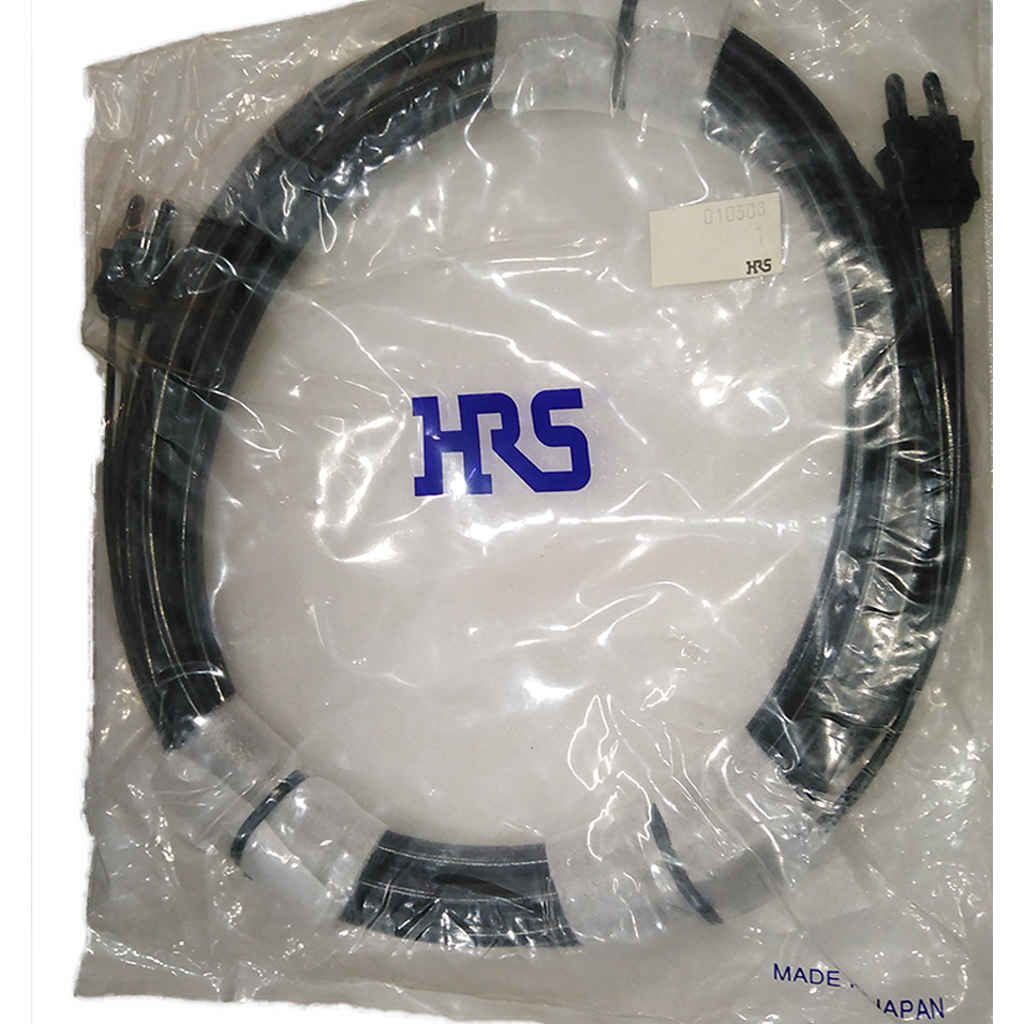
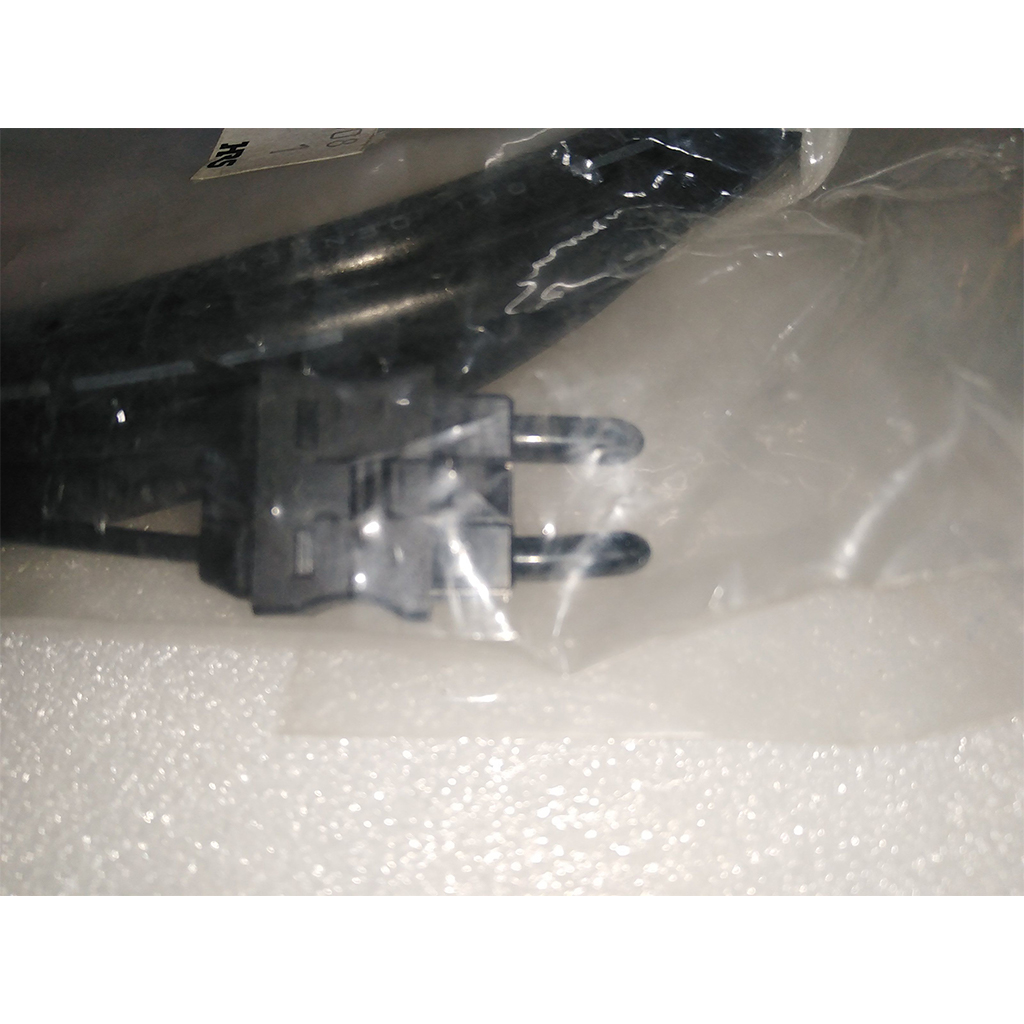
Its exceptional features and wide range of applications make it an indispensable component in modern technology infrastructure.
HRS – Hirose Electric Co., Ltd.
Fiber Optic Communication Cable
Japan
New OEM Quality
In stock with worldwide shipping available.
The HRS fiber optic cable is an optical communication cable designed to transmit digital data through light signals instead of electrical current.
Fiber optic cables use glass or plastic optical fibers to carry light pulses that represent data. These light signals travel through the fiber core with minimal signal loss and are immune to electromagnetic interference.
HRS fiber optic cables are manufactured by Hirose Electric Co., Ltd., a Japanese electronics company known for high-precision connectors and communication components. These cables are commonly used in industrial automation, telecommunications networks, CNC machines, robotics, and data communication systems where stable high-speed data transmission is required.
| Specification | Details |
|---|---|
| Brand | HRS (Hirose Electric Co., Ltd.) |
| Cable Type | Fiber Optic Communication Cable |
| Core Type | Single Mode or Multi Mode |
| Connector Options | LC, SC, ST, FC |
| Outer Jacket | PVC, LSZH, or Armored |
| Operating Temperature | −20°C to +70°C |
| Cable Length | 1 m to 50 m or custom length |
| Supported Data Rates | 1G, 10G, 40G, 100G |
| Bending Radius | Flexible tight bend radius |
Fiber optic cables transmit data using pulses of light generated by laser or LED transmitters. These light signals travel through the fiber core and are decoded by a receiver at the other end.
Optical fiber cables support high data transfer rates including gigabit and multi-gigabit communication speeds. This allows large volumes of data to be transmitted over long distances without signal degradation.
Because fiber optic cables transmit light instead of electrical signals, they are not affected by electromagnetic interference generated by motors, power lines, or industrial equipment.
The outer cable jacket protects internal optical fibers from mechanical stress, chemicals, and environmental exposure in industrial installations.
Fiber optic cables can be routed through tight spaces due to their flexible structure and controlled bending radius.
Single mode fiber uses a narrow core that allows light to travel in a single path. This enables long-distance communication with minimal signal loss.
Multi mode fiber has a larger core that allows multiple light paths. It is commonly used for shorter-distance communication in data centers and industrial networks.
Fiber optic cables connect PLC controllers, sensors, and communication devices in industrial automation networks.
Telecommunication infrastructure uses fiber optic cables to transmit high-speed data across long distances.
Industrial machines use optical communication for reliable control signal transmission in environments with electrical noise.
High-speed networking infrastructure relies on fiber optic cables for backbone connections between servers and switches.
Medical devices use fiber optic communication to avoid electromagnetic interference that could affect sensitive instruments.
Optical fiber networks support significantly higher bandwidth compared to copper communication cables.
Fiber optic cables can transmit signals over long distances with minimal signal attenuation.
Because fiber cables do not conduct electricity, they provide natural electrical isolation between connected devices.
Fiber optic communication remains stable in environments with strong electromagnetic or radio frequency interference.
Fiber optic cables are available with different connector types such as LC, SC, ST, or FC. Compatibility should be verified with the connected equipment.
Proper routing and cable protection help prevent excessive bending or physical damage to the optical fibers.
For harsh environments, armored or reinforced cable jackets may be used to protect the fiber.
Fiber optic cables provide faster data transmission speeds and are immune to electromagnetic interference compared to traditional copper cables.
Connector options typically include LC, SC, ST, and FC depending on the cable configuration.
Yes. Fiber optic communication is widely used in industrial automation because it is resistant to electrical noise and signal interference.
Yes. Fiber optic cables can be manufactured in different lengths and connector configurations to match installation requirements.
Useful Links
Subscribe Now
Don’t miss our future updates! Get Subscribed Today!
© 2024. MA Traders. All Rights Reserved.