

MONARCH Instruments
Laser Alignment and Rotor Balancing System
Industrial Vibration Analysis and Predictive Maintenance
New Industrial Grade
In stock with global shipping available.
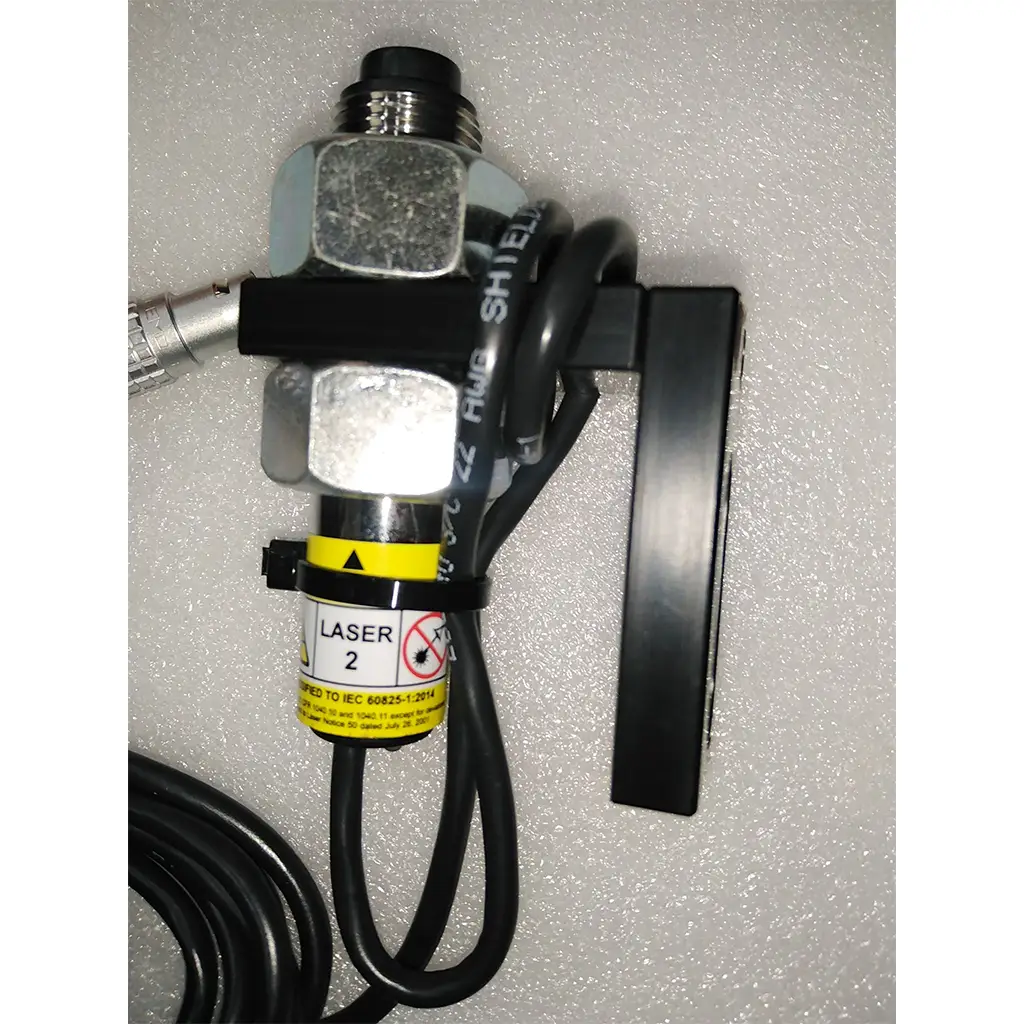
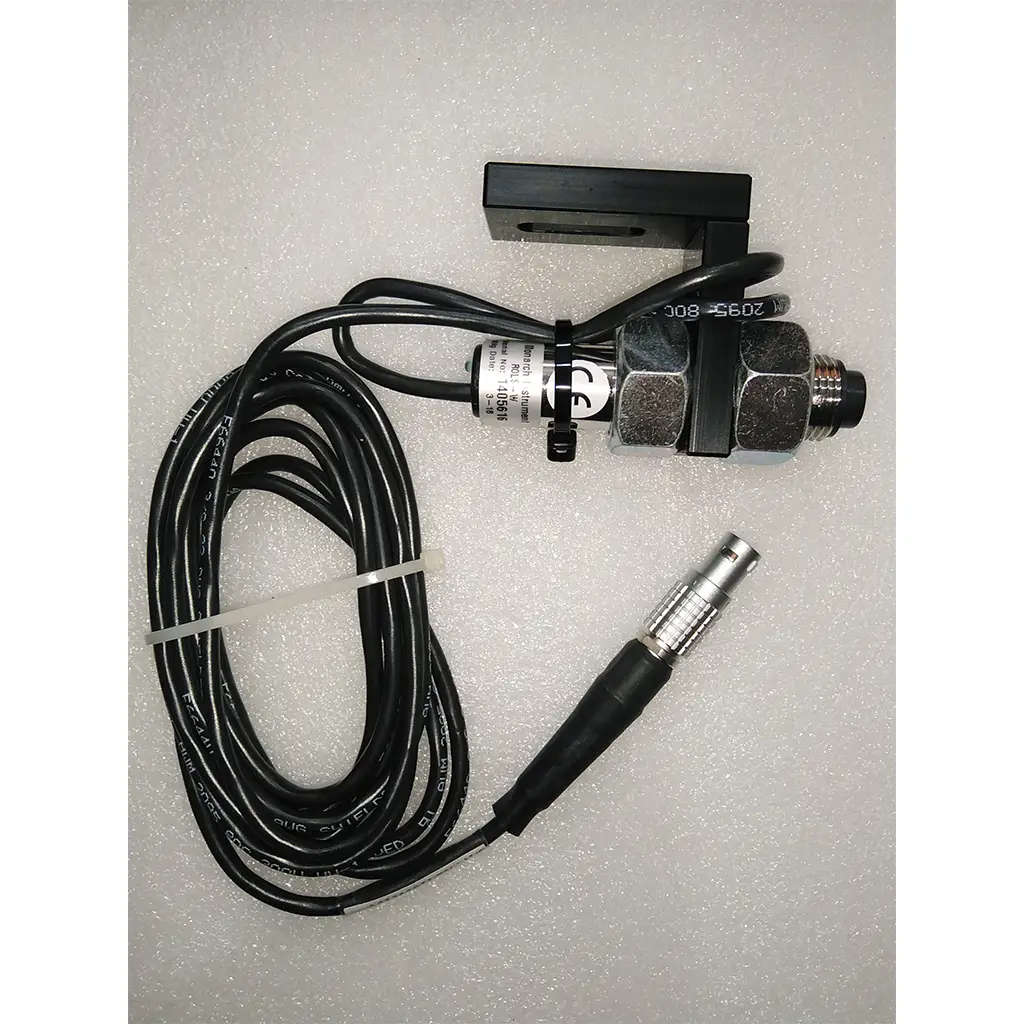
The MONARCH Instruments Laser Balancing System is a diagnostic tool used to measure vibration and correct rotor imbalance in rotating machinery.
In industrial equipment such as motors, fans, turbines, and pumps, imbalance in rotating components can cause excessive vibration, bearing wear, and mechanical failure. A laser balancing system measures vibration levels and rotational speed to determine where corrective weights should be applied.
The MONARCH system uses laser tachometer technology and vibration sensors to calculate imbalance magnitude and phase angle, allowing maintenance technicians to perform precise field balancing without dismantling machinery.
| Specification | Details |
|---|---|
| Brand | MONARCH Instruments |
| Measurement Type | Laser Tachometer and Vibration Analysis |
| RPM Measurement Range | 120 to 120,000 RPM |
| Accuracy | ±1 RPM |
| Sensor Type | Laser Optical Sensor |
| Vibration Sensor | Piezoelectric Accelerometer |
| Balancing Modes | Single Plane and Two Plane |
| Data Storage | Internal Memory with USB Export |
| Power Supply | Rechargeable Lithium Ion Battery |
| Display | LCD or Touchscreen depending on model |
The system measures rotational speed using a laser sensor that detects reflective markers on the rotating shaft. This method eliminates the need for physical contact with the machinery.
Piezoelectric vibration sensors measure vibration amplitude and phase angle during machine operation. These measurements allow the balancing system to determine the exact location of rotor imbalance.
The device guides technicians through single-plane or two-plane balancing procedures directly on the machine, allowing correction without removing the rotor.
The system records balancing sessions and generates maintenance reports that can be exported for analysis, documentation, or predictive maintenance records.
The balancing system is designed as a portable diagnostic device suitable for on-site maintenance in industrial environments.
Rotor balancing systems operate by measuring vibration generated by rotating machinery.
The typical balancing process includes:
The machine runs at operating speed.
The vibration sensor measures vibration amplitude.
The laser tachometer measures shaft rotational speed and phase position.
The balancing software calculates imbalance magnitude and correction angle.
Correction weights are applied to the rotor to reduce vibration.
This process restores balanced rotation and improves machine performance.
Laser balancing systems are used to correct imbalance in motors, pumps, blowers, and compressors.
Maintenance technicians use balancing tools to balance air handling units, exhaust fans, and ventilation systems.
Production equipment with high-speed rotating components requires balancing to maintain stable operation.
Power plants use vibration analysis and balancing systems to maintain turbines, generators, and pumps.
Precision balancing is used for components such as turbochargers, rotors, and rotating assemblies.
Rotor imbalance is one of the most common causes of vibration in rotating machinery.
Unbalanced rotors can lead to:
excessive bearing wear
increased mechanical stress
reduced machine efficiency
unexpected equipment failure
Balancing systems reduce these issues by restoring symmetrical mass distribution in rotating components.
Balanced rotors reduce stress on bearings, shafts, and couplings.
Lower vibration levels allow machinery to operate more efficiently and reliably.
Balancing machinery early prevents costly damage and unplanned downtime.
Data logging features allow maintenance teams to track machine condition and maintenance history.
A laser balancing system measures rotational speed, vibration amplitude, and phase angle to determine rotor imbalance.
Yes. Field balancing allows technicians to correct rotor imbalance while the machine remains installed.
Yes. Periodic calibration ensures measurement accuracy and reliable vibration analysis.
Many industrial machines require balancing, including fans, pumps, motors, turbines, compressors, and rotating manufacturing equipment.
Useful Links
Subscribe Now
Don’t miss our future updates! Get Subscribed Today!
© 2024. MA Traders. All Rights Reserved.